
Before selecting the appropriate type of toilet commode, there are several factors you should consider. With the average person using the bathroom around 2500 times annually, ensuring comfort is essential when choosing a commode. Remember, selecting a commode is an investment for the long term, so it's crucial to make the right choice. Opting for a high-quality commode not only provides comfort but also conserves water efficiently, cleaning the bowl effectively with just one flush. In contrast, other types may require more than six liters of water for flushing. Therefore, choosing a reliable and water-efficient commode is key to a comfortable and sustainable bathroom experience.
There are many options for toilet seats on the market. Here are some things to keep in mind before you make a decision.
1. Types of evacuation and installation

There are two primary types of commode installations: wall-hung and floor-mounted, with the choice often dictated by existing plumbing configurations. Wall-mounted commodes offer a space-saving solution as they can be mounted directly onto the wall, creating a sleek and modern aesthetic. These commodes conceal the water tank behind the wall, adding to their elegant appearance. On the other hand, floor-mounted toilets are installed directly on the bathroom floor. Additionally, commodes come in two main configurations: one-piece and two-piece, each offering its own set of advantages and considerations.
2. Flush Technique
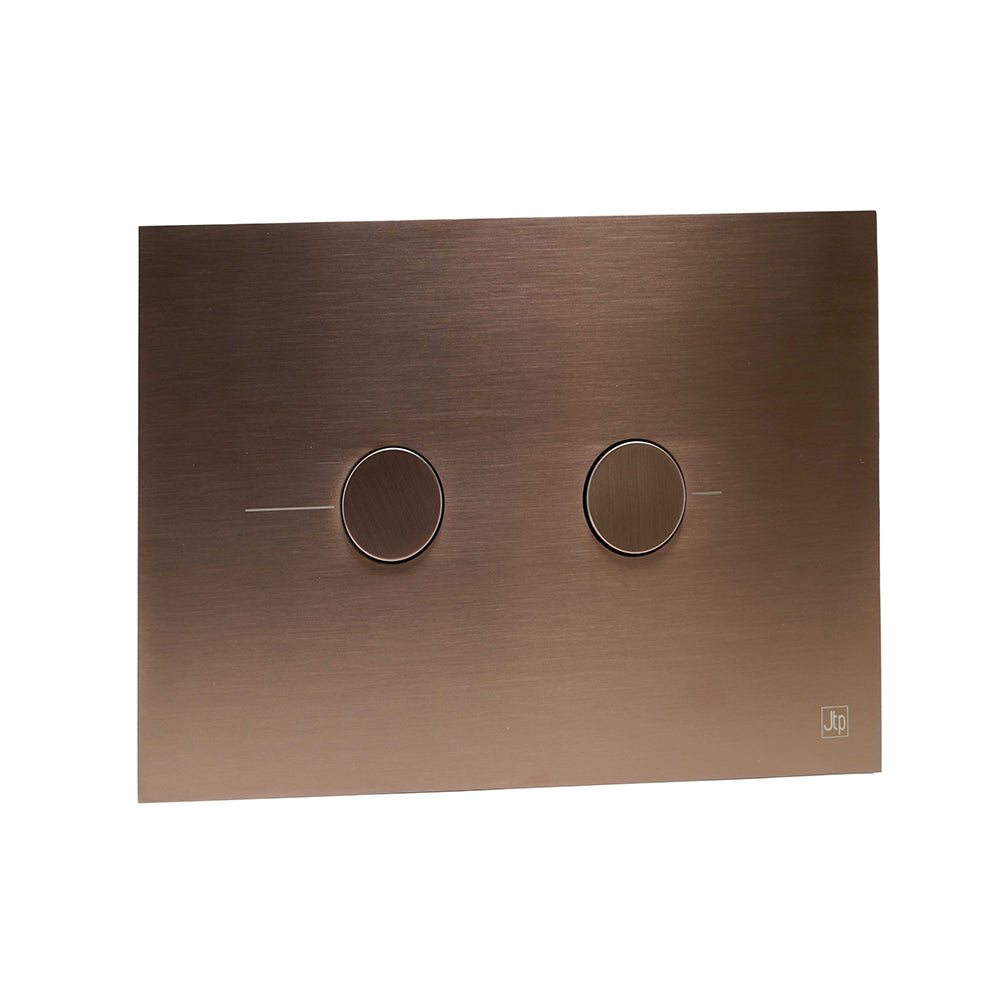
In modern commode designs, the flush technique plays a crucial role in water conservation efforts. Dual-flush toilets have become increasingly prevalent, offering users two flush options for varying water needs. Typically equipped with two flush buttons, these commodes provide a lower water consumption option requiring three liters for liquid waste and a higher volume option using six liters for solid waste. Another innovative flush technology gaining popularity is pressure-assisted flushing, which utilizes either water-line pressure or specialized fitting devices to generate additional air pressure for a more forceful flush, ensuring efficient waste removal.
3. Placement of the Commode
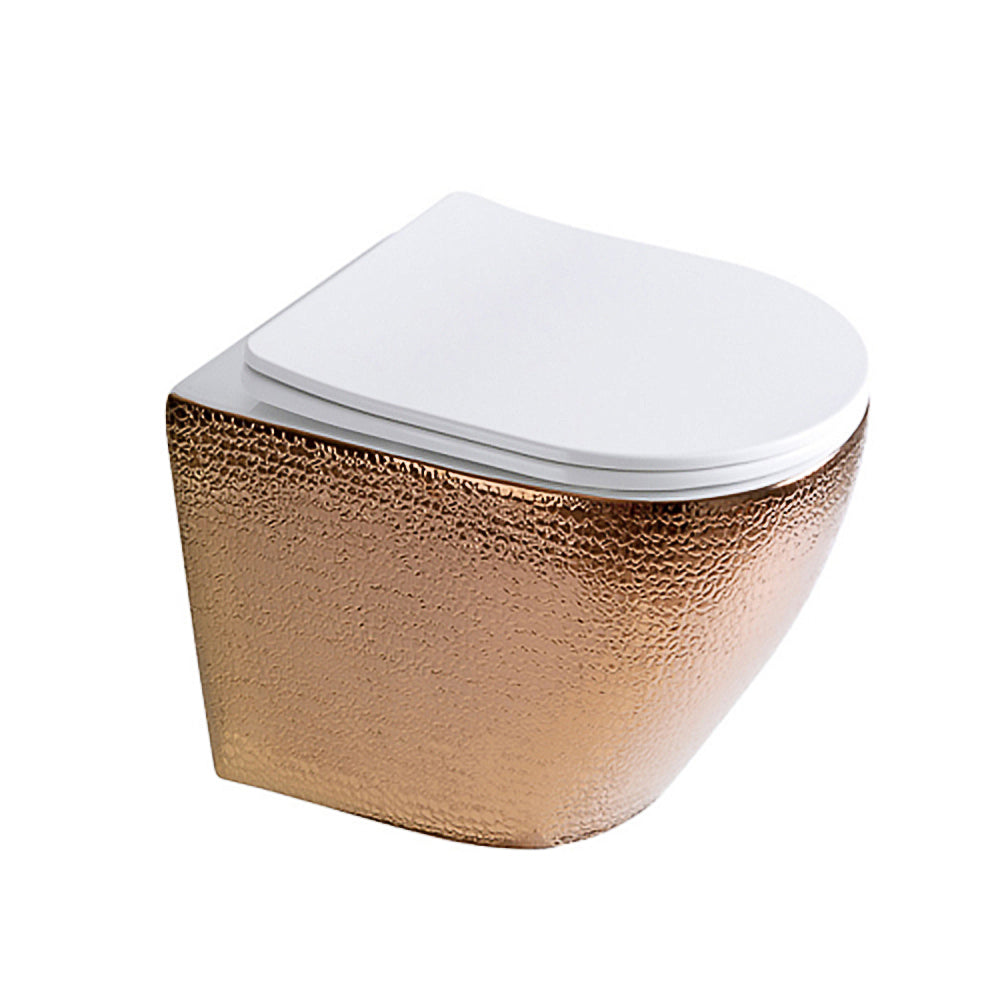
Ensuring proper placement of the commode is crucial for maximizing comfort and convenience in your bathroom layout. Despite its importance, many overlook this aspect, leading to potential regrets down the line. Ideally, the toilet seat should be positioned at a distance of at least 15-18 inches from surrounding vanities and showers to allow for comfortable movement and accessibility. In compact spaces, opting for a western wall-hung toilet with a concealed tank on the western wall can be an effective solution, optimizing floor space while maintaining functionality.
4. Bowl Type
When it comes to western commode bowls, there are four primary shapes to consider: rectangular, square, oval, and round. Among these options, the round-shaped seat tends to be the preferred choice for most individuals due to its ease of use and space efficiency. The compact design of a round bowl toilet seat makes it particularly suitable for smaller bathrooms or powder rooms where space is limited. By considering these factors, you can select a toilet seat that best meets the needs of your family while optimizing the functionality and aesthetics of your bathroom space.

Maintaining cleanliness in your bathroom is crucial, which includes regular cleaning of accessories like toilet brushes and holders. You can learn more about how to clean and maintain a toilet brush and holder in this helpful guide.
No comments:
Post a Comment